

 You’re in marketing for one reason: Grow. Grow your company, reputation, customers, impact, profits. Grow yourself. This is a community that will help. It will stretch your mind, connect you to fascinating people, and provide some fun along the way. I am so glad you’re here. -Mark Schaefer

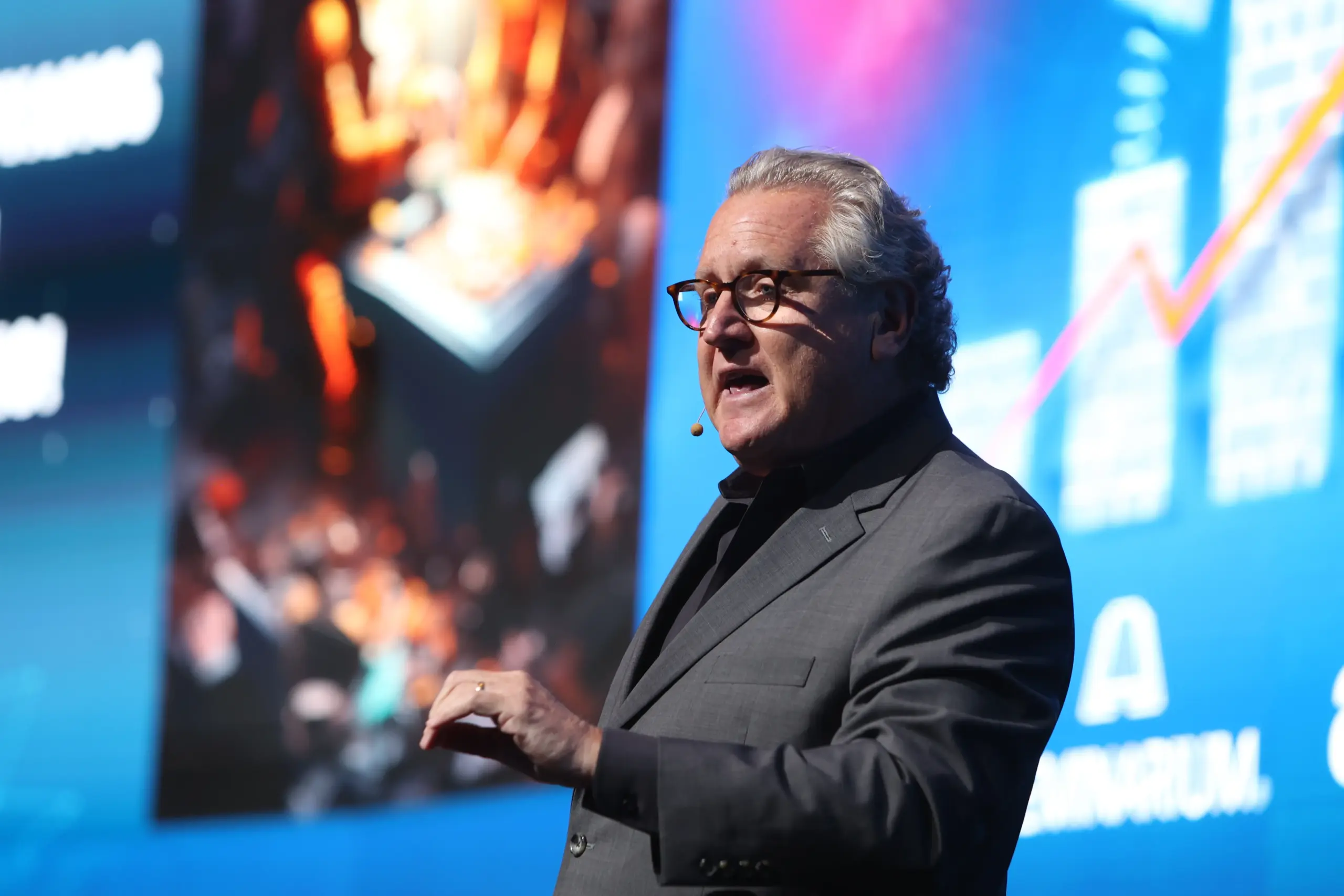
Before one of my recent keynotes, a client team sent me feedback that boiled down to this: your metaphors don’t work in our world.
They were right. I had a story about loyalty built around a diaper brand. It works great for consumer marketers. For a hospital buying committee with six stakeholders, a compliance review, and a procurement cycle measured in quarters, it’s noise.
That’s when I stopped thinking of audience customization as a find-and-replace job.
Swapping examples isn’t adapting
Most speakers who “customize” a talk change the logo, add an industry stat, and call it done. The audience can tell. They’ve seen the same talk in a different outfit.
Real adaptation means the logic has to translate, not just the examples. If the underlying argument only makes sense in the world where you first told it, you haven’t customized anything.
My core talk is about how AI is changing human behavior: how we think, relate, decide, and trust. It closes with the idea that the most human company wins. That thesis doesn’t change. Everything that carries it does.
Room one: medtech marketers
For a team at a major medical technology company, the audience wasn’t buying on impulse or aspiration. They sell to clinicians and hospital committees in a regulated environment. So the “AI friend” story needed a B2B analog. The luxury-aspiration material needed a different engine. The section on disinformation needed healthcare examples, where misinformation has real consequences. And they wanted the talk to be practical and optimistic, with specific ways to use AI well, not just warnings about what it’s doing to us.
Room two: the people who build the advertising machine
A very different group: senior executives from publishers, ad platforms, and ad-tech companies. These are the people who run the plumbing of digital advertising. For them, AI isn’t a subject to be curious about. It’s a threat to their business model, and a tool they’re deploying at the same time.
I knew almost nothing about their daily reality, so before touching the deck I stopped and asked: what do these people actually do all day? What keeps them up at night? What do they quietly worry about when nobody’s listening? Only then did I decide what to expand and what to cut.
The sections on critical thinking, truth, and decision-making got more time. Two sections I love, on purpose and meaning, got compressed to a single sharp beat each. They’re some of my favorite material. They’re also the weakest fit for a room focused on revenue and infrastructure. Protecting your favorite content is a speaker’s ego problem, not an audience’s need.
The scary parts stayed. This room can take them. What changed was the resolution: when AI floods the world with synthetic content and collapses the funnel, trust and verified human understanding become the premium. That’s the future the room is building toward, and the talk gives them language for it.
Room three: senior B2B marketers
I’m heading to Boston in November to speak to a room of B2B marketing leaders. Same process, a new set of questions. Different buying cycles, different pressures, different meaning of “customer.” I won’t know what stays and what goes until I understand their world.
What this means if you’re hiring a speaker
A keynote should feel like it was written for your people on the day they’re sitting in the room. That takes a little work from both sides. I’ll want to understand who’s attending, what they do, what’s changing for them, and what they’re worried about. I’ll ask for any internal research or language that matters to them. I’ll push back if a section doesn’t fit.
In return, you get a talk that doesn’t sound like it came off the shelf, because it didn’t.
If your audience isn’t like any room I’ve spoken to before, good. That’s where the best work starts.
 Need a keynote speaker? Mark Schaefer is the most trusted voice in marketing. Your conference guests will buzz about his insights long after your event! Mark is the author of some of the world’s bestselling marketing books, a college educator, and an advisor to many of the world’s largest brands. Contact Mark to have him bring a fun, meaningful, and memorable presentation to your company event or conference.