

 You’re in marketing for one reason: Grow. Grow your company, reputation, customers, impact, profits. Grow yourself. This is a community that will help. It will stretch your mind, connect you to fascinating people, and provide some fun along the way. I am so glad you’re here. -Mark Schaefer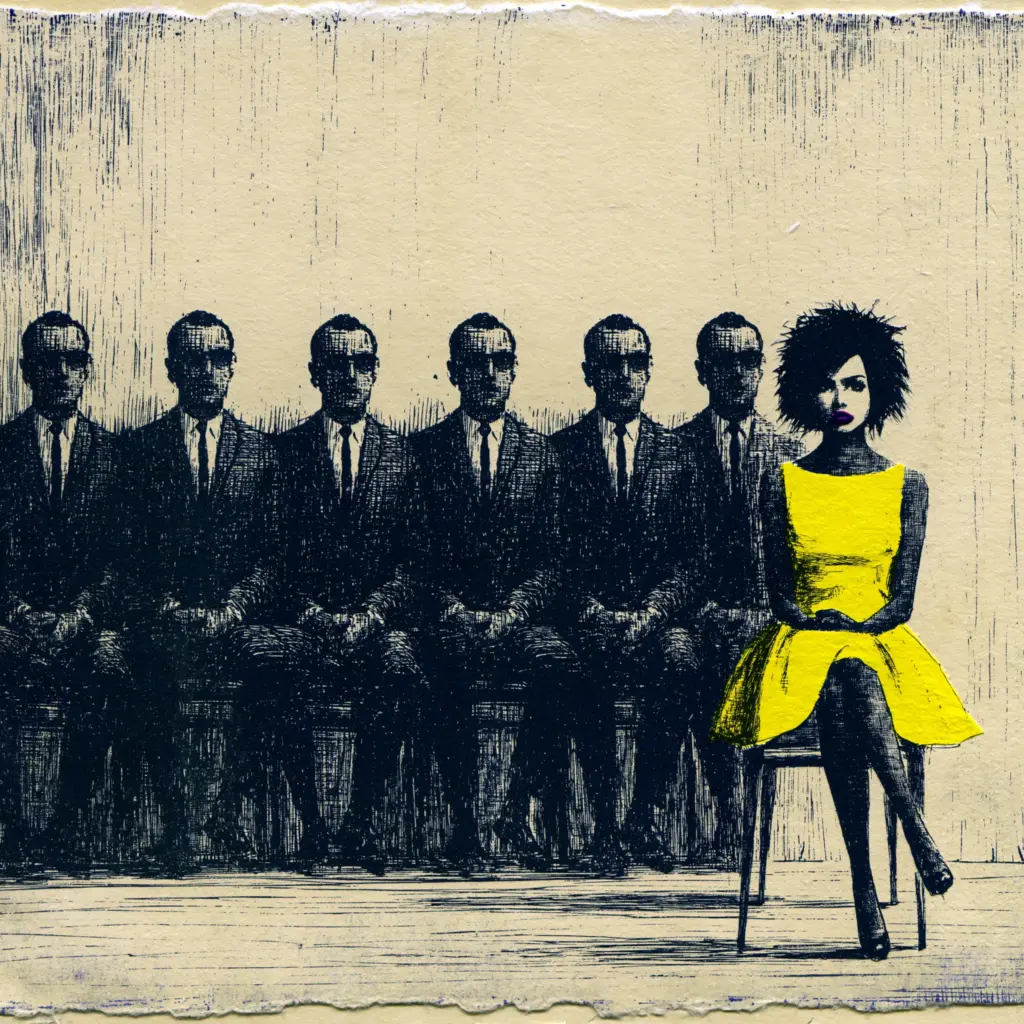
One of the most interesting discussions on the marketing scene right now is the long-term value of the human voice in the marketing mix. Where will we survive? How will we matter?
I’ve studied this idea for the past two years. After all, one of my favorite philosophies is, “The Most Human Company Wins.” Is that still true when many people prefer the empathy and efficiency of bots? Does the human moat matter for your brand?
The answer is not as straightforward as you might think (no matter what you think!).
Let’s dive into this today by examining the practical utility of bots versus human-driven customer connection.
Start by admitting the bots are great
I recently got into it on LinkedIn about AI and content. Yes, there’s a lot of dumb, sloppy, embarrassing AI out there. That’s what makes the headlines. But I’ve also seen AI produce work that was beautiful and genuinely thought-provoking. An AI editing layer on my own ideas almost always makes my writing better.
A commenter pushed back:
Audiences are already learning to distinguish AI-generated signal from human signal, and assigning much higher trust to the human. Brands and individuals who can demonstrate lived experience will have a moat no model can replicate.
It’s a comforting thought. It’s also wrong.
His argument is that the moat is capability: AI can’t do the human thing well enough to fool us. But the evidence points the other way. People routinely can’t tell whether they’re interacting with a person or a machine. So can we please get off that soapbox?
In fact, the bots are more human than humans. Numerous studies show that people may prefer the empathy demonstrated by AI over that of humans. Therapy is now the number one use of AI, and even therapists see the benefit of widespread access to therapeutic care for everyday problems. In one of the most consequential human interactions — a job interview — nearly four out of five people preferred an AI interviewer over another human.
The machines aren’t failing to replicate us. They’re beating us.
So if the human moat was capability, it is gone, or nearly so.
The paradox
Then I found research that reframed the whole question. Peer-reviewed studies in a Nature journal identified what the authors call the “AI empathy choice paradox.”
Participants strongly preferred responses from real humans, even when they rated AI-generated responses as more empathetic and compassionate.
 I’m having a hard time absorbing the implications of this. People will choose worse service just to work with a human?
AI might be more human than humans … but we still want humans.
The reason isn’t quality. We’ve already conceded quality to the machine.
When a person offers you help and empathy, it means something. That person has a name, a job, a responsibility, and they’re accountable. There is a risk, a cost.
AI empathy costs nothing. It’s anonymous, infinite, and free … and some part of us knows it. The words can be flawless and still not mean anything, because nothing was risked and no one was on the hook.
That’s the real moat. Not what AI can’t do, because it can do plenty. The moat is accountability. Stakes. A human being standing behind the words, a personal commitment.
So let’s get back to the original question. If AI is as good as humans at most things, is there an advantage to keeping humans around?
Once you understand the human advantage as a risk — a cost rather than a capability — the places where humans thrive become obvious. These are the places where humans show up with something on the line:
Personal brand. In a fast, noisy, AI-saturated world, we still turn to specific people for truth and judgment. We admire and trust the people who put their name and reputation on the line every time they take a stand. Think about a person like Scott Galloway who is fearless by taking bold stands. Love him or hate him, he rises above the noise.
Community. A brand community is a fully human experience. It runs on people choosing to show up for each other. In my RISE community, AI handles some admin, but we could never automate belonging.
Experiences. Bring people together and let them live your brand. Build something worth talking about. Word of mouth is still our most trusted referral, and it’s the one channel AI can’t manufacture, because it has to be earned.
Spiky human content. People who take risks with their content rise above the AI slop. Spiky content is debatable, rooted in truth, and expected to create some push back. We’ll always value the instinct, art, and nerve of a person who staked something on being right. AI is fantastic, but it doesn’t have courage. More about spiky content here and here.
Relationships. The trusted advisor, the account lead, the consultant who knows your business, the person you call before you call anyone else. That’s the deepest moat. A relationship is the single most expensive thing to build, the least fakeable, and the least transferable. AI can inherit a knowledge base. It can’t inherit trust.
The takeaway
For years I’ve argued that the Most Human Company ™ wins. I still believe it. But I understand it better now.
The winning company won’t necessarily be all humans at the wheel. It’ll be a blend that uses AI to be faster, more responsive, and, yes, sometimes more empathetic. There’s nothing wrong with that. In fact, any other position leads to obsolescence.
Companies will over-index on AI, because they always go too far when there’s a cost to be cut. Many will quietly remove the human option their customers were actually there for.
Don’t make that mistake. In an AI world, humanity becomes a luxury, and the scarce, valuable thing isn’t the empathy itself. The machine can generate empathy all day. But we still want the human who has something to lose if they don’t serve us well.
 Need a keynote speaker? Mark Schaefer is the most trusted voice in marketing. Your conference guests will buzz about his insights long after your event! Mark is the author of some of the world’s bestselling marketing books, a college educator, and an advisor to many of the world’s largest brands. Contact Mark to have him bring a fun, meaningful, and memorable presentation to your company event or conference.
Follow Mark on Twitter, LinkedIn, YouTube, and Instagram
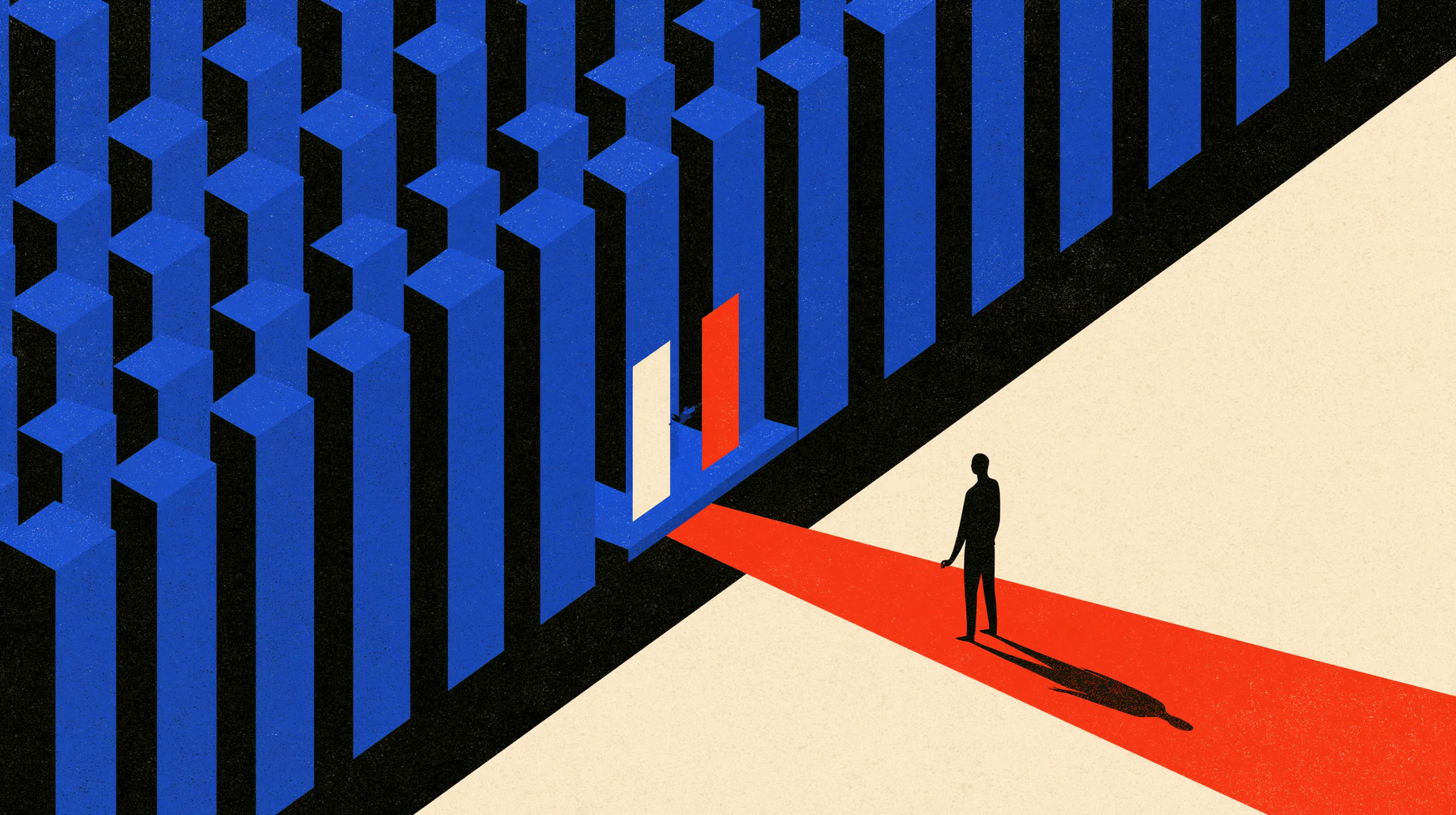
Illustration courtesy MidJourney