



Orders processed via


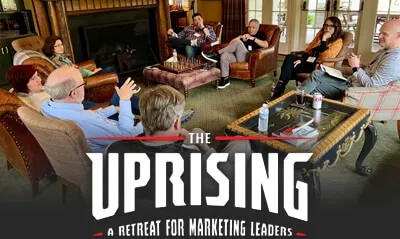

 You’re in marketing for one reason: Grow. Grow your company, reputation, customers, impact, profits. Grow yourself. This is a community that will help. It will stretch your mind, connect you to fascinating people, and provide some fun along the way. I am so glad you’re here. -Mark Schaefer

No matter what happens in the AI Era, we’ve counted on brand trust. But that’s not what’s working. Even fake brands are winning.

The state of Content Marketing is in peril. Your career is in peril. Everyone is playing with a 10-year-old playbook that AI has smashed.

Owning a view in the customer’s mind has been marketing’s goal. But what happens to our customer strategy when AI begins the collapse of consideration?

The human moat — a point of leverage and differentiation — seems to have vanished in the AI Era, but there is still a place for accountability and courage.

To fight the AI backlash, record amounts of money are pouring into Washington DC and advertising. When big money clashes with public opinion, the AI trains are about to collide.

Humanity! Is the rallying cry for the anti-AI movement but how important is humanity in our daily business experience?

If AI does not have taste, what is the role of taste in the human role of marketing. Yes, this is important, but maybe not like you think.

AI detection and legal drama has been all over the news. Can we use AI in a way that doesn’t make us feel like criminals?

It’s easy to work in social media marketing and lose sight of the direct line to your customers. Sometimes the old ways are still best.

Stealing content has become a fashionable way to do business. We can do better by adhering to the principles of fair use.

Your personal branding content strategy can serve people, algorithms, or a space in the middle, according to Mark Schaefer.

Starting from scratch might seem intimidating, but following these eight lessons can fortify your journey as a new content creator.

What does marketing science actually say about growing a brand? After years of public disagreement, Byron Sharp and Mark Ritson identified five proven principles for brand growth. Here’s what mental availability, distinctiveness, consistency, mass reach, and brand purpose mean in practice, especially for brands without Fortune 500 budgets.

Twenty years ago this week, Twitter made its public debut. Like many new businesses, the real-time communication platform was a happy accident, a side product

Mark Schaefer shares the best speaking career advice that propelled him onto the world’s biggest stages as a keynote speaker.