


 You’re in marketing for one reason: Grow. Grow your company, reputation, customers, impact, profits. Grow yourself. This is a community that will help. It will stretch your mind, connect you to fascinating people, and provide some fun along the way. I am so glad you’re here. -Mark Schaefer
Guest post by Anna Zgadzaj
Last month at Cannes Lions, something special, some even say historic, happened: after a decade of public disagreements, the two most influential voices in today’s brand marketing science, Byron Sharp and Mark Ritson, came together to talk about what they actually agree on. They identified five things: four proven ways to grow brands and one that is not.
This is not another recap of what happened in that Cannes session. As a self-confessed marketing nerd who has been following both profs for years, here’s my take on what this meeting of the minds means for you in practice, especially for those of us building brands without Fortune 500 budgets.
1. Come to mind at the right time
Modern marketing explained very simply is about two things: making brands easy to remember and easy to buy. Easy to remember not in general, but in specific buying situations. Someone needs a refreshment on a hot summer day and a cold can of Coke comes to mind. That’s mental availability. (Physical availability is Coke being right there, ready for them to buy.)
 If your brand is mentally available to your customers at the right moments, most of your marketing’s job is already done. But this is not the same as brand awareness.
Knowing you exist isn’t enough. Take cars, for example. Everyone is aware of Ferrari, but it’s not the brand that springs to mind when you need a new car for their growing family. If you’re like my sister, you will think of Volvo first, then research and test different brands for weeks before buying (you guessed it) a Volvo. The brand came to mind first — it was mentally available in that particular buying situation.
The big shift here is to move from thinking about “what does our brand evoke” to “what evokes our brand” (for Volvo: the need for a safe family car).
A 2025 study of 1.2 million purchase journeys found that 84% of people bought a brand they were already biased towards before they started looking. Mental availability makes you that brand.
Marketers with limited resources need to be strategic about which specific buying situations they want to build memory for. One option is to choose the ones that are underserved by leaders in the category.
The question to ask: Are we memorable enough so that when a buying situation arises, our brand comes to mind?
2. Distinctiveness is non-negotiable
One of the best ways to make your brand memorable is being distinctive. And for both Ritson and Sharp, distinctiveness is non-negotiable.
This trait comes from a set of distinctive brand assets: logo, colors, mascots, jingles, product shapes. This is not about looking different from competitors but rather, as Byron Sharp puts it, “a brand looking like itself” — Always and wherever it shows up.
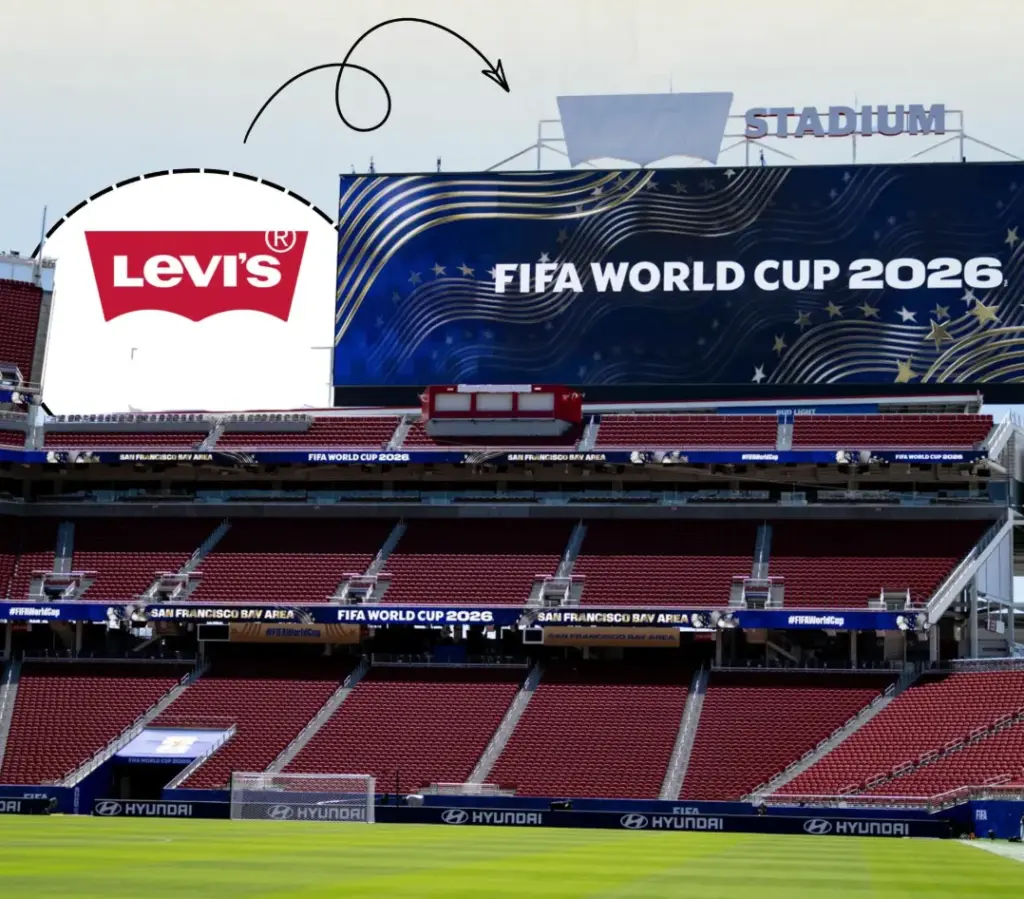
The holy grail is becoming so distinctive that people can recognize you even without seeing your name. A recent example: Levi’s, not an official World Cup sponsor, had to cover its logo at a stadium and did so using its distinctive batwing shape.
Distinctiveness is one area where smaller brands don’t need enormous budgets to compete intelligently. You may not be able to afford a celebrity as a face for your brand. But you can adopt a brand mascot with real personality — think Duolingo owl and its main character energy, and what it did for brand recognition. And research shows brand mascots outperform celebrities anyway. Creativity can beat budgets here.
The question to ask: Would someone recognize this as coming from our brand, even without seeing our name?
3. The case for consistency
To be memorable, you need to show up repeatedly looking and sounding like yourself. Not changing brand look and voice every quarter.
Marketers work on their brand all day, every day, so it’s easy to get bored with repetition. But we overestimate how much of this work audiences actually notice, amid an onslaught of competing content.
Consistency applies to campaigns too. System1 and IPA research show that one to two years is when brand-building campaigns start to see significant compounding effects. But according to WARC data cited at Cannes, marketers run them for an average of 40 days. Not enough time to build lasting memories!
For smaller brands, this is good news. If you have a campaign that works, leave it running longer than you think you should. It saves budget and compounds in effectiveness while your competitors keep resetting theirs. Think of Coca-Cola’s Holidays Are Coming ads running for decades, even though they could surely afford something different every year. Through consistency, they’ve built something people now actually wait for.
Ask yourself: Are we reinforcing memory and brand associations or are we constantly resetting them?
4. Reach beyond your target audience
Growth comes from reaching more potential buyers, not targeting more precisely. Dismissed for years, mass marketing has been resurrected and reaffirmed. But that does not mean that your message is “one size fits all.”
This can feel counterintuitive for a marketer who grew up with the “niche down” imperative. But here’s where my favorite marketing effectiveness principle – the 95:5 rule – comes into play.
Of all your potential customers, roughly 5% are ready to buy at any given time. The rest are not thinking about it — they just bought a washing machine, came back from vacation, or had their taxes done. But they will be ready eventually. What you want is to reach as many of them as possible now, and start building memories and mental availability so that when they move into that “in the market” group, your brand is the one that comes to mind.
And notice I wrote “all your potential customers,” not all people. That’s the sophisticated part. You’re not trying to reach everyone on the planet, just everyone who could potentially and realistically buy from you.
If you’re a challenger sports apparel brand, you’ll never out-reach Nike. But you can broaden your scope over time. This is what Lululemon has done. When they first launched, they were only selling leggings to female yoga fanatics in Canada. But since they conquered that market, they expanded their reach until they became one of the most recognizable athleisure brands in the world.
For small brands without the budget to reach everyone, first define your market to a size you can realistically penetrate. This is not the same as micro-niching or deliberately excluding people. It’s about maximizing your reach — making your world a bit smaller initially, then growing from there.
Small brands must match their mental availability to their physical availability. Your product needs to be easy to remember AND easy to buy.
The question to ask: Are we reaching enough of our potential market, or have we defined our audience so narrowly that we’re excluding future demand?
Those are the four things that work. The fifth principle is about what doesn’t work:
5. The myth of brand purpose
“Brand purpose” — an alignment with customer values — is largely unsupported as an effective marketing strategy.
This is a nuanced topic, but the guideline is, if you have a genuine purpose that’s part of your brand DNA, talk about it, even if it costs you some customers.
But if you’re looking for brand purpose because you think every brand should have one, research does not support this as a growth strategy. Focus on serving your customers well as your purpose.
An example of “purpose as DNA” would be Patagonia. It’s impossible to think of the brand without connecting it to sustainability and the environment. I’m not saying you shouldn’t aim to do good in the world — I come from the non-profit sector. But don’t force-fit “purpose” into a marketing strategy if it isn’t a founding principle of your existence.
The question to ask: Is there a core purpose or value behind why we exist or should we focus on more traditional branding and operational excellence?
I hope that, like me, you have a sense of alignment and direction with these five guidelines supported by marketing science. In a world where it’s hard to have a conversation without mentioning “AI,” it’s comforting to rely on a few pillars of traditional brand growth like distinctiveness, consistency, and reach.
 Anna Zgadzaj is the founder of MarketingWell, an independent strategic marketing consultancy based on the French Riviera. She helps brands apply evidence-based marketing principles to their real-world context.