

 You’re in marketing for one reason: Grow. Grow your company, reputation, customers, impact, profits. Grow yourself. This is a community that will help. It will stretch your mind, connect you to fascinating people, and provide some fun along the way. I am so glad you’re here. -Mark Schaefer
The other day, someone sent me a sales pitch on LinkedIn. He told me that he is a fan of my personal branding book KNOWN and that he had built an AI model to show me — an interactive tool based on the book. Could he send it to me?
On one level, this seems very kind, and I’m honored that he liked the book so much.
But let’s step back and look at this from a legal and ethical perspective. This fellow created a piece of software based on my proprietary, copyrighted book. This is clearly a violation of the principles of fair use.
He wasn’t quoting the book or referencing the book, he was using the whole book for a unique commercial venture.
I sent him a reply: “Does it occur to you that you should ask permission before building software on another person’s Intellectual Property?”
He answered:
Fair question, and thank you for asking it straight.
You’re right… I should have asked you before building anything on KNOWN and putting it out there, even as a rough, unofficial concept. That one’s on me. I’ve taken it down.
No spin, no “but”… it shouldn’t have gone out without your blessing first.
I appreciate you telling me directly instead of just writing me off.
To his credit, his response was professional, and this ended on a positive note.
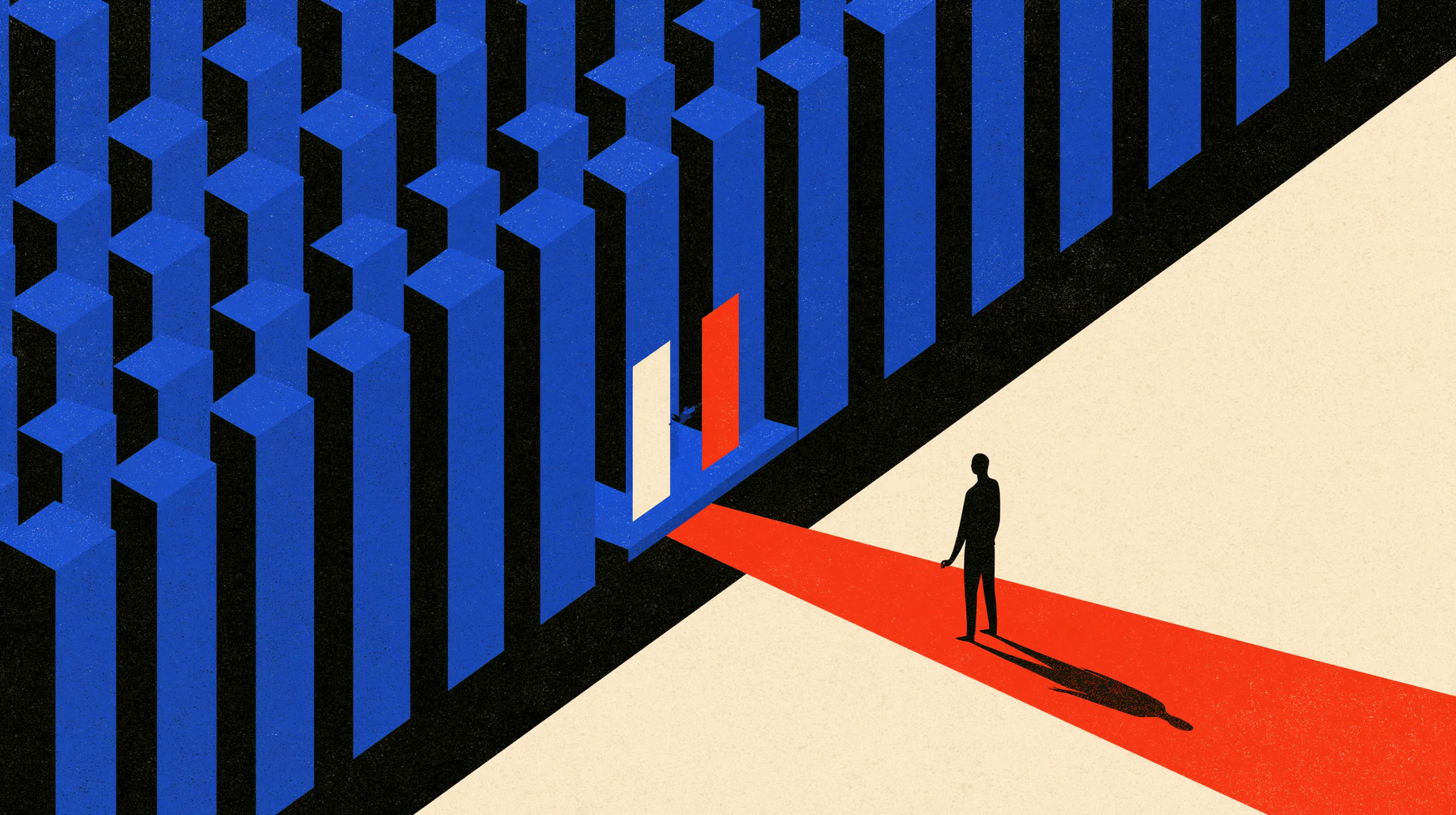
But this little one-act drama is an example of how ripping off content has been normalized. We see the most valuable companies in the world stealing content at scale to fuel their AI platforms. Titans of industry bulldoze through laws and copyright concerns to fuel data-hungry businesses.
I want to be clear about my intent with this post. Realistically, there is nothing I can do about a Fortune 500 company stealing our intellectual property (although I am a beneficiary of the class action lawsuit against Anthropic). But I might have an impact on you and your decision to pause before stealing another person’s work.
What is fair use?
It is perfectly fine to use another person’s work as long as it meets the fair use standard. The definition of fair use is complex and varies by country, but in general, there are four considerations:
- The purpose and character of the use, including whether such use is of commercial nature or is for nonprofit educational purposes (like somebody teaching a class).
- The nature of the copyrighted work (is it factual or creative?)
- The portion re-used in relation to the copyrighted work as a whole.
- The effect of the use upon the potential market for, or value of, the copyrighted work.
The short version for most creators is this: You can use short quotes or content snippets with attribution. You can refer to content like songs and movies in parodies, comedy, and criticism.
If you’re unsure about what you’re doing, the remedy is simple: just ask for permission.
Your creative process
 “Good artists copy, great artists steal.” This famous quote was once attributed to Picasso, but apparently he never said it!
The world progresses by building on the work of others. Attribution and fair use are fine. Asking for permission is preferred. Creative iteration and connecting the dots in new ways is how we innovate.
So here’s my ask. The next time you’re tempted to build your book, your app, your business on someone else’s work — pause. Send the message. Ask.
It costs you almost nothing. Sometimes the answer is yes, and now you have a partner instead of a lawsuit. Sometimes it’s no, and you’ve saved yourself the regret.
Choosing to ask might make you a weirdo in an age that rewards stealing. Good. Be that weirdo. Because the guy on LinkedIn taught me something hopeful: when someone points out the line, most people know exactly where it is. They just needed a reason to honor it.
Be the person who honors it before anyone has to ask. Build a marketing world that is respectful and ethical.
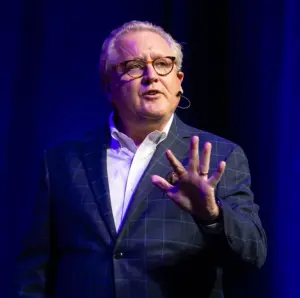 Need a keynote speaker? Mark Schaefer is the most trusted voice in marketing. Your conference guests will buzz about his insights long after your event! Mark is the author of some of the world’s bestselling marketing books, a college educator, and an advisor to many of the world’s largest brands. Contact Mark to have him bring a fun, meaningful, and memorable presentation to your company event or conference.